Are Built-In Kitchen Appliances Safe? What Homeowners Should Know
Built-in appliances create a clean, modern kitchen, but proper ventilation, electrical planning and installation matter. Here is what to consider before fitting them.
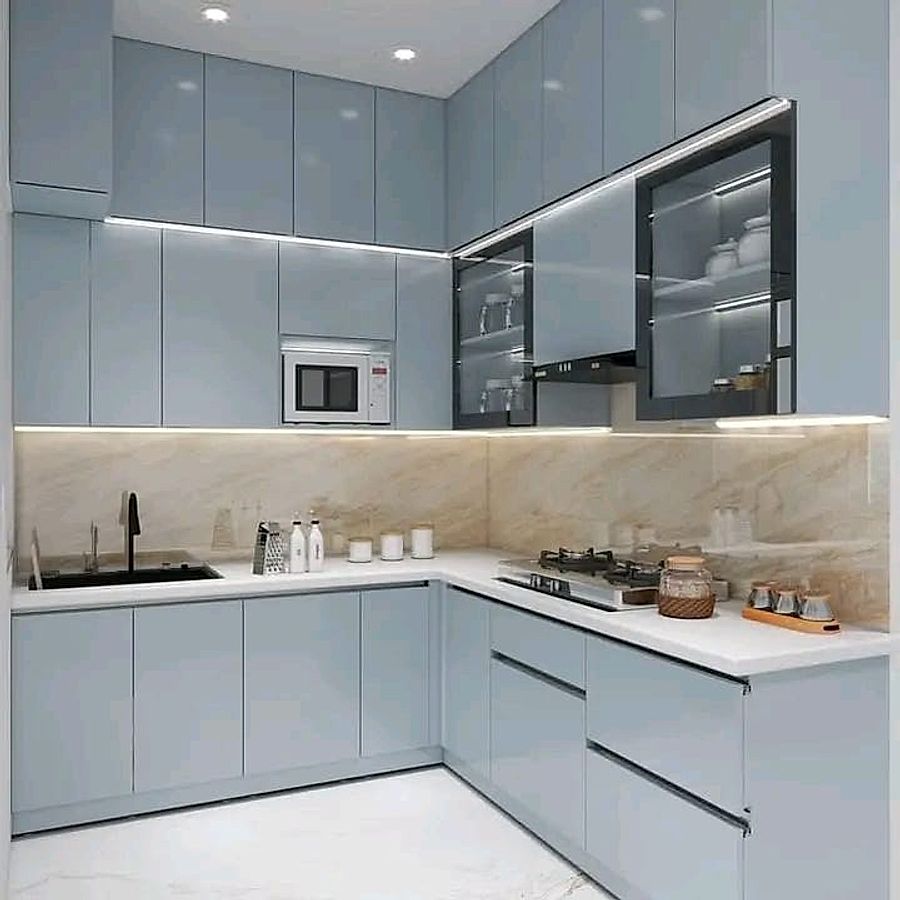
Built-in kitchen appliances have become a popular feature in modern homes. From integrated ovens and microwaves to built-in refrigerators and dishwashers, they create a clean, organised appearance while making better use of available kitchen space.
However, there is more to installing these appliances than creating cabinets that fit their dimensions. Ventilation, electrical connections, heat resistance and accessibility all play an important role in ensuring a safe and functional kitchen.
So, are built-in kitchen appliances safe? Yes, provided they are properly planned, specified and installed. Here are seven important considerations before incorporating them into your kitchen design.
What to Consider When Installing Built-In Kitchen Appliances
1. Proper Ventilation and Airflow
Built-in appliances generate heat during operation, and some require specific ventilation arrangements to function safely and efficiently. Ovens, refrigerators and dishwashers have different airflow requirements.
When designing the kitchen cabinetry, allow sufficient ventilation space around each appliance. Blocking ventilation openings or installing appliances in tightly enclosed cabinets can cause overheating, reduce efficiency and shorten their lifespan.
Always follow the manufacturer's installation specifications, including the recommended ventilation openings and clearances.
2. Electrical Connections and Load Requirements
Not all kitchen appliances have the same electrical requirements. Built-in ovens, microwaves, dishwashers and induction cooktops may require different circuit capacities, socket positions and protective devices.
Before manufacturing the kitchen cabinets, plan the electrical layout around the appliances you intend to install.
Consider:
- Dedicated circuits: Some high-powered appliances require their own electrical circuits.
- Correct wiring: Cable sizes and circuit protection must match the appliance's electrical load.
- Socket positioning: Electrical outlets should remain accessible without interfering with the appliance installation.
- Earthing and protection: Proper grounding and suitable protective devices help reduce electrical risks.
Electrical installations should be handled by a qualified electrician who understands the requirements of your selected appliances.
3. Heat-Resistant Cabinetry and Finishes
Kitchen cabinets around ovens and cooktops are exposed to heat during everyday use. Using unsuitable materials or ignoring recommended clearances can damage cabinet finishes over time.
For these areas, consider:
- Heat-resistant materials: Select suitable cabinet boards, protective panels and finishes for areas exposed to elevated temperatures.
- Proper insulation: Where required, incorporate appropriate thermal barriers to protect surrounding cabinetry.
- Correct clearances: Maintain the recommended distance between appliances and adjacent cabinet surfaces.
- Quality installation: Ensure oven housings and cooktop cut-outs follow the manufacturer's specifications.
A well-designed kitchen should maintain its appearance without compromising appliance safety.
4. Safe Gas Installation
If your kitchen includes a built-in gas hob or oven, proper installation is essential. Poor connections, damaged hoses and incorrectly fitted gas components can cause leaks and create serious safety risks.
Consider the following:
- Have gas connections installed and tested by a qualified gas technician.
- Ensure suitable ventilation within the kitchen.
- Keep gas isolation points accessible for emergencies and maintenance.
- Use approved fittings and components suitable for the appliance.
- Inspect connections periodically for signs of damage or leakage.
Never compromise on gas safety to achieve a particular cabinet layout or aesthetic.
5. Accurate Measurements and Appliance Compatibility
One of the most common mistakes in custom kitchen installations is manufacturing cabinets before confirming the exact appliance dimensions.
Appliances that appear similar in size may have different installation requirements. A built-in oven, for example, needs more than an opening that matches its external width and height.
Measurements should account for:
- Appliance width, height and installation depth.
- Required ventilation gaps and clearances.
- Door opening and closing space.
- Electrical and plumbing connection positions.
- Manufacturer-specific installation requirements.
Where possible, select your appliances before finalising the kitchen cabinetry. This makes it easier to achieve accurate measurements and avoid unnecessary modifications during installation.
6. Accessibility for Repairs and Maintenance
A modern kitchen should be easy to maintain. Built-in appliances will eventually require cleaning, servicing or repairs, and their installation should allow technicians to access important components.
Avoid designs that permanently block electrical connections, plumbing points or gas isolation valves.
Also consider how appliances will be removed or replaced when necessary. Dishwashers, ovens and refrigerators should have appropriate installation arrangements that allow future maintenance without damaging surrounding cabinets.
7. Proper Appliance Placement and Kitchen Workflow
The positioning of appliances affects how comfortably and safely you use your kitchen.
For example, placing an oven at a convenient working height can reduce unnecessary bending when handling hot dishes. A dishwasher positioned close to the sink makes loading and unloading easier, while a well-positioned refrigerator improves access without obstructing movement.
When planning the layout, consider:
- The relationship between the sink, cooker and refrigerator.
- Adequate working surfaces around cooking areas.
- Convenient access to frequently used appliances.
- Door movement and clearance around appliances.
- Safe movement between preparation, cooking and cleaning areas.
The goal is to create a kitchen that looks good while making everyday activities easier.
Are Built-In Kitchen Appliances Worth It?
Absolutely. When properly planned and installed, built-in appliances offer several advantages:
- A seamless appearance: Appliances blend into the cabinetry, creating a clean and coordinated kitchen design.
- Better space utilisation: Integrating appliances into designated cabinet sections helps maximise available space.
- Improved organisation: A planned layout creates a more structured cooking and preparation area.
- Personalised designs: Cabinet dimensions, finishes and appliance positions can be tailored to your preferences.
- A modern finish: Built-in appliances complement contemporary kitchen styles and create a more refined appearance.
The key is to consider appliance requirements from the beginning rather than treating them as additions after the cabinets have been manufactured.
Planning a modern kitchen? Explore BenPhil's Kitchen Design & Installation Services and Custom Fittings & Cabinetry for professionally designed kitchen spaces that balance functionality, safety and style.
Have a project in mind?
Get a free consultation and rough quote within hours.